Are you looking to create fun and safe DIY toys for your parrot? Finding the right materials can be tricky, but it’s key to keeping your feathered friend happy and healthy.
On Parrotforum at www. parrotforums. com, you’ll discover practical tips and trusted advice that make building your own parrot toys easier than ever. If you want to know exactly what to use and how to keep your parrot entertained without worry, keep reading—this guide is made just for you.
Choosing Safe Materials
Choosing safe materials for DIY parrot toys is essential for your bird’s health. Parrots explore toys with their beaks, so toxic substances can harm them. Use only materials that are non-toxic and bird-safe. This protects your parrot from poisoning and injuries.
Non-toxic Wood Types
Wood is a popular choice for parrot toys. Select woods that are safe and free of toxins. Examples include:
- Manzanita
- Apple
- Birch
- Maple
- Poplar
Avoid woods like cedar and pine, which release harmful oils. Always use untreated wood without paint or varnish. Sand rough edges to prevent splinters.
Natural Fibers And Fabrics
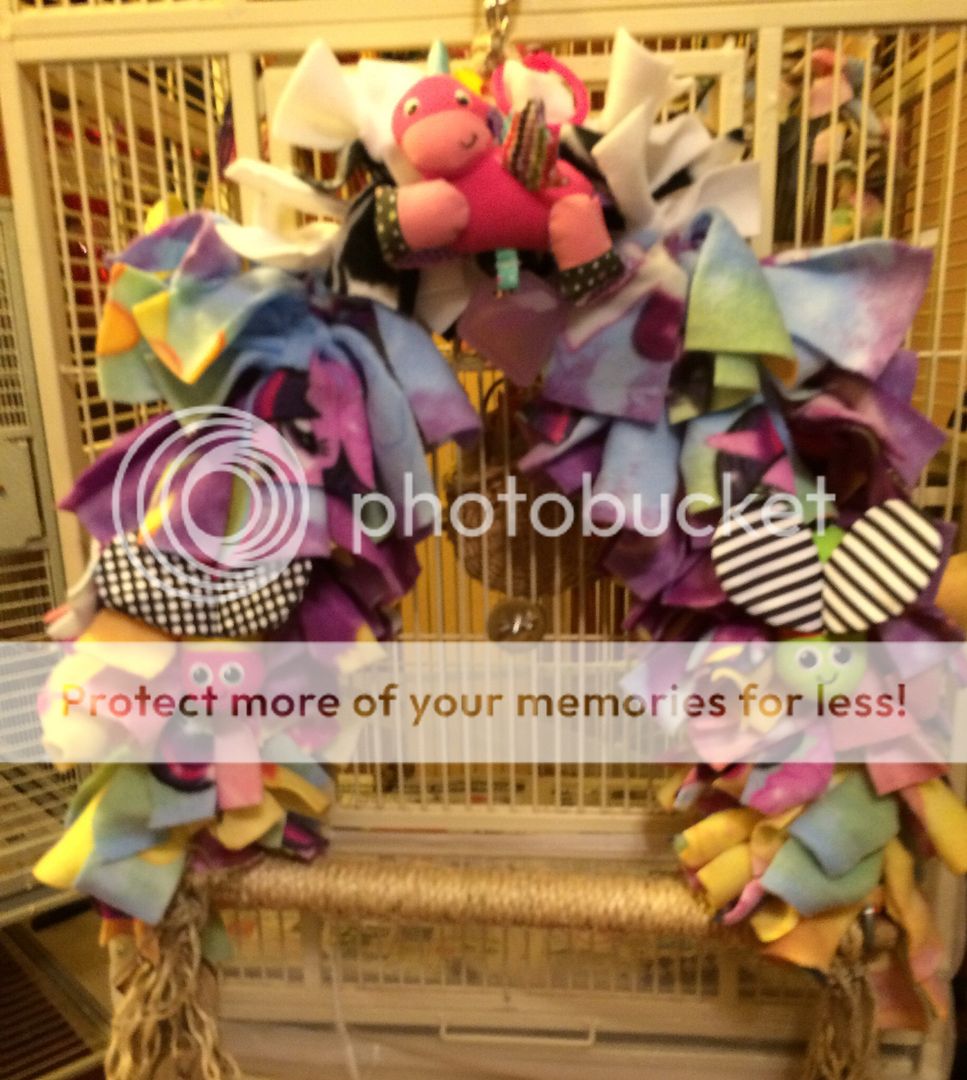
Natural fibers are gentle and safe for parrots to chew. Cotton, sisal, jute, and hemp are good options. They provide texture and help keep your bird’s beak healthy. Avoid synthetic fibers that can cause choking or digestive problems.
Choose fabrics that are soft and unbleached. Avoid materials with dyes or chemicals. Always check for loose threads that can entangle your bird.
Avoiding Harmful Chemicals
Toys treated with chemicals can poison your parrot. Steer clear of paints, varnishes, and glues with toxic ingredients. Use only bird-safe, non-toxic alternatives if decoration is needed.
Wash all materials before using them in toys. This removes dust, dirt, and residues. Regularly inspect toys for wear and tear. Replace damaged toys to keep your parrot safe.

Credit: www.parrotforums.com
Diy Toy Ideas
DIY toys keep parrots entertained and mentally stimulated. Creating toys at home allows customization, ensuring they fit your parrot’s needs and preferences. You can use everyday materials to craft fun and engaging toys. Let’s explore some creative DIY toy ideas that you can make for your feathered friend.
Foraging Toys
Foraging toys are excellent for sparking your parrot’s natural curiosity. They encourage your bird to search for treats, simulating wild behaviors. To create a simple foraging toy, fill a small cardboard box with shredded paper. Hide some seeds or nuts inside. Seal the box with tape, and watch your parrot enjoy the challenge of finding the treats.
Another idea is using a clean, empty egg carton. Place small pieces of fruit or nuts in each section. Close the lid and let your parrot work to open it. This toy promotes problem-solving skills and provides hours of entertainment.
Interactive Puzzles
Interactive puzzles challenge your parrot’s intellect. They offer stimulating fun while promoting cognitive development. Try making a puzzle using wooden blocks. Drill holes through them and thread them onto a sturdy string. Add knots between the blocks to make the puzzle more challenging. This toy encourages your parrot to move the blocks to reach hidden treats.
Plastic bottle caps can also make engaging puzzle toys. Punch holes in the center of several caps. Thread them onto a wire or string, spacing them apart. Hide a treat in one cap, and let your parrot figure out how to get to it. This simple puzzle enhances dexterity and problem-solving skills.
Chewable Treat Holders
Chewable treat holders offer both entertainment and a tasty reward. They satisfy your parrot’s urge to chew, which is essential for beak health. Create a chewable treat holder using natural sisal rope. Thread small pieces of untreated wood, leather, and vegetable-tanned leather onto the rope. Add a few nuts or dried fruits for an enticing surprise. Secure it in your parrot’s cage, and enjoy watching them chew and discover the treats.
Corn husks are another excellent material for chewable toys. Wrap them around a treat and tie them securely with string. This toy provides a crunchy texture and a delicious reward, keeping your parrot engaged and happy.
Tools And Supplies Needed
Creating DIY toys for your parrot can be a fun and rewarding experience. Having the right tools and supplies is essential to ensure the toys are safe, durable, and enjoyable for your feathered friend. Let’s look at the basic items you’ll need to get started with your crafting projects.
Basic Hand Tools
Simple hand tools make building parrot toys easier and more precise. A good pair of scissors or wire cutters will help you trim materials like rope, wood, and plastic. Needle-nose pliers are great for bending wire and securing small parts tightly.
I always keep a small hammer and a set of screwdrivers nearby. These tools let you fasten pieces together firmly, so your parrot can’t pull the toy apart too quickly. Having a measuring tape helps you cut materials to the right size, saving you time and frustration.
Adhesives And Fasteners
Choosing the right glue or fastener is critical for your parrot’s safety. Non-toxic wood glue is ideal for wooden toys, while hot glue works well for quick fixes on decorations. Avoid superglue or anything with harmful chemicals, as parrots tend to chew on their toys.
Besides glue, small screws, stainless steel hooks, and zip ties can secure parts together without risk. Zip ties are especially handy for attaching different materials securely without sharp edges. Think about how your parrot interacts with toys to decide what fasteners will last longest.
Decorative Elements
Adding color and texture makes toys more interesting for your parrot. Safe, untreated wood pieces, natural fibers like sisal or cotton rope, and wooden beads can be excellent choices. You can also use bird-safe paint to brighten up the toy, but always check that it’s non-toxic.
Have you noticed how parrots are drawn to shiny or movable parts? Small bells or mirrors can keep them entertained, but monitor your bird closely to ensure these items don’t become hazards. Creating toys that stimulate your parrot’s senses will keep them engaged and happy.
Safety Tips For Toy Making
Creating DIY toys for your parrot can be a fun and rewarding experience. However, ensuring these toys are safe is crucial to protect your feathered friend from harm. Paying close attention to safety tips during toy making can prevent accidents and keep your parrot entertained without risks.
Inspecting Materials Regularly
Always check the materials you use for any signs of wear or damage before giving the toy to your parrot. Frayed edges, loose parts, or toxic substances can pose serious threats. I once noticed small splinters on a wooden toy that looked harmless at first but could have hurt my bird’s delicate feet.
Make it a habit to inspect toys weekly. Replace or repair any damaged pieces immediately. This simple routine can save you from unexpected vet visits.
Size And Shape Considerations
Choose materials and shapes that fit your parrot’s size and beak strength. Toys too small can be swallowed, while overly large ones might frustrate your bird. For example, I learned that round beads can be dangerous for larger parrots who might choke on them.
Think about edges too—sharp corners can cause injuries. Rounded, smooth shapes work best to keep your parrot safe and comfortable.
Supervising Playtime
Never leave your parrot unsupervised with a new or homemade toy, especially at first. Watching how your bird interacts with the toy helps you spot potential problems early. I’ve seen parrots get stuck in small loops or chew through unsafe materials when left alone.
Spend time observing play sessions. Your attention can prevent accidents and guide you in improving your DIY creations for future toys.
Maintaining And Cleaning Toys
Maintaining and cleaning toys is essential for a healthy and happy parrot. Dirty toys can harbor bacteria and cause infections. Regular care keeps toys safe and extends their life. It also keeps your bird interested in playing and exploring.
Cleaning Methods
Use warm water and mild soap to clean toys. Avoid harsh chemicals that can harm your bird. Rinse toys thoroughly to remove all soap. Some toys can be soaked in a vinegar solution to kill germs. Let toys dry completely before giving them back to your parrot.
Repairing Damaged Toys
Check toys regularly for wear and tear. Remove broken parts to prevent choking hazards. Use bird-safe glue or replace parts if possible. If a toy is too damaged, discard it. Keeping toys in good shape ensures your parrot’s safety.
Rotating Toys To Keep Interest
Change toys often to keep your parrot curious. Rotate different types and textures every few days. This prevents boredom and encourages natural behaviors. Store unused toys in a clean, dry place. A varied toy selection makes playtime exciting and fun.
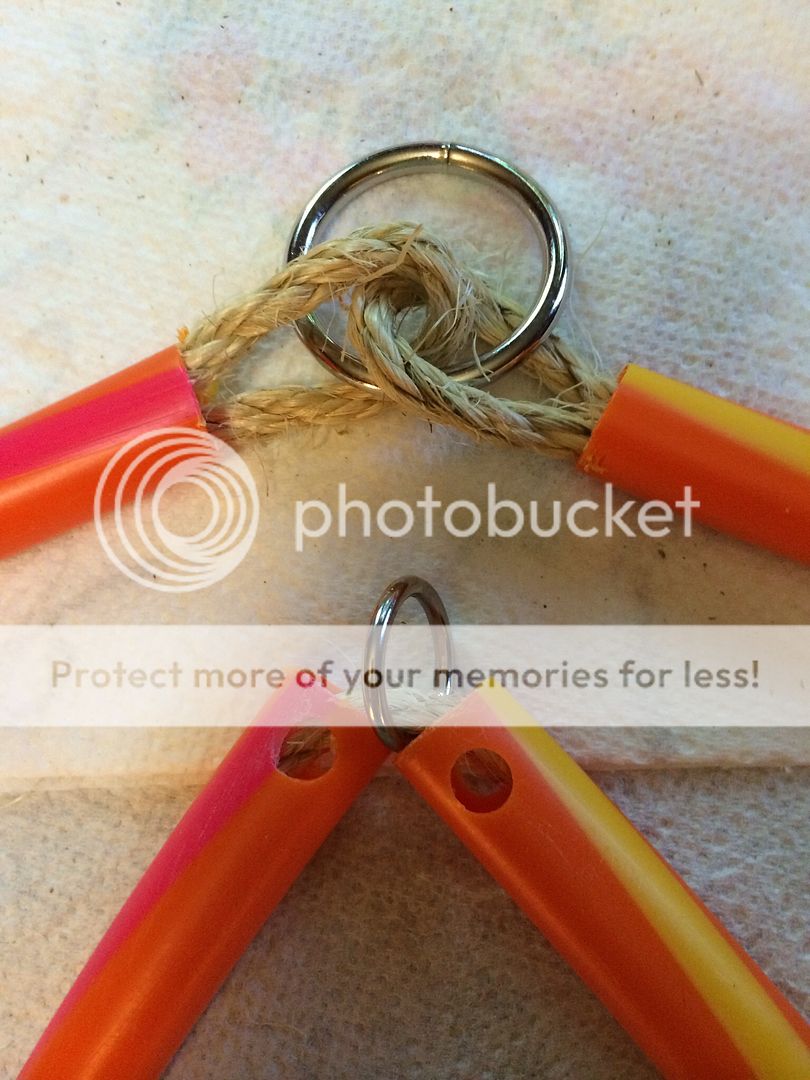
Credit: www.parrotforums.com
Community Resources On Parrotforums
The Parrotforumscommunity offers a wealth of resources that make creating DIY toys for your feathered friends both fun and effective. It’s a place where parrot enthusiasts gather to share their experiences and tips, helping each other craft safe and engaging toys. Tapping into this community can save you time and guide you toward materials and designs that truly work.
Sharing Diy Projects
Members regularly post detailed DIY toy projects, complete with step-by-step instructions and photos. This allows you to follow proven designs or adapt them to fit your parrot’s preferences. You can also showcase your own creations, which can be rewarding and inspire others.
Have you ever tried making a toy only to realize the material wasn’t safe? Sharing your project results here can prevent others from making the same mistake. It’s a space built on honest feedback and genuine care for parrots’ wellbeing.
Getting Feedback And Advice
When you’re unsure about a material or design, the community offers quick and informed responses. Experienced members often suggest alternatives or improvements based on what has worked for their birds. This real-world advice helps you avoid costly errors and ensures your DIY toys are both safe and stimulating.
Think about the last time you needed advice but didn’t know where to ask. Here, you get direct answers from people who understand parrots inside out. This kind of support makes tackling DIY projects less intimidating.
Finding Inspiration From Members
The variety of toy ideas shared by the community sparks creativity. You’ll find everything from simple foraging puzzles to complex interactive toys. Seeing how others combine everyday items into something engaging might inspire you to experiment with materials you hadn’t considered before.
What unique toy could you create by mixing different ideas you see on the forums? The community’s diverse experiences encourage you to think outside the box and customize toys to your parrot’s personality. Inspiration is just a few clicks away.
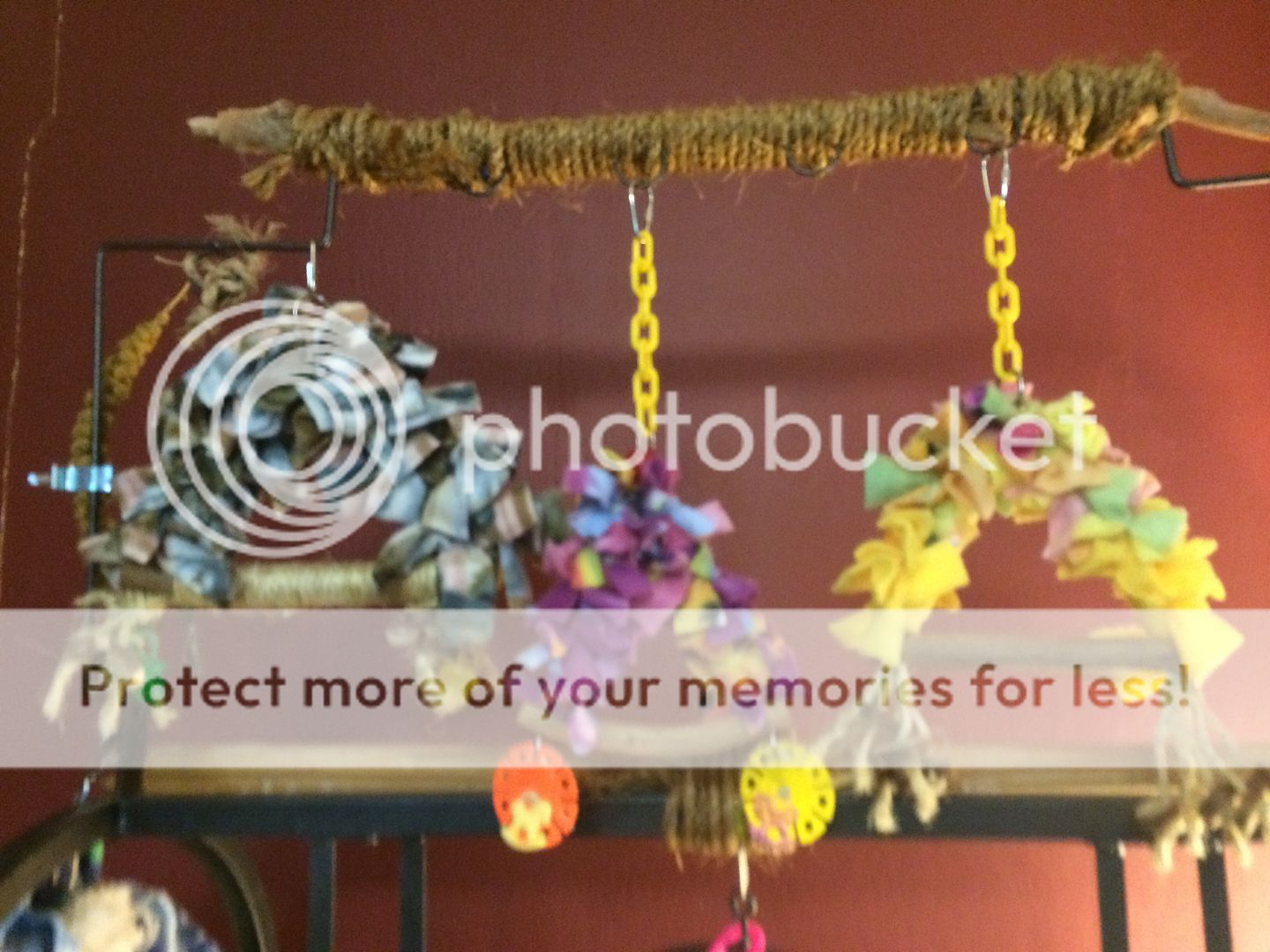
Credit: www.parrotforums.com
Frequently Asked Questions
What Materials Are Safe For Diy Parrot Toys?
Safe materials include untreated wood, natural fibers, and bird-safe plastics. Avoid toxic paints or metals. These materials prevent harm and encourage natural chewing behaviors.
How To Make Durable Diy Toys For Parrots?
Use sturdy, non-toxic materials like hardwood and natural ropes. Secure parts tightly to avoid choking hazards. Durable toys withstand chewing and keep parrots engaged longer.
Which Toys Stimulate Parrot Mental Health?
Puzzle toys, foraging feeders, and interactive objects boost mental activity. They encourage problem-solving and prevent boredom. Regularly rotate toys to maintain interest.
Can Household Items Be Used For Parrot Toys?
Yes, items like paper towel rolls, cardboard, and untreated wood work well. Always ensure no harmful chemicals or small parts are present. Supervise use to ensure safety.
Conclusion
DIY toys keep parrots happy and healthy every day. Use safe, natural materials like wood, rope, and paper. Avoid toxic substances to protect your bird’s health. Simple toys can provide hours of fun and exercise. Visit Parrotforums. com for tips and ideas from other bird lovers.
Start creating toys today to brighten your parrot’s life. Your bird will thank you with joy and playfulness. Keep learning and sharing with the parrot community online.