Are you fascinated by the charm of vintage toys? Imagine holding a piece of history in your hands—each toy telling a unique story from the past.
Collecting vintage toys isn’t just a hobby; it’s a way to connect with memories, uncover hidden treasures, and even make smart investments. But where do you start? How do you spot a genuine find, and what should you look for to build a collection you’ll be proud of?
Keep reading, and you’ll discover simple, effective tips to help you begin your vintage toy collection with confidence and excitement.
Choosing Your Niche
Choosing your niche is one of the most important steps in collecting vintage toys. It helps you focus your efforts, budget, and research. Instead of chasing every toy you find, narrowing down your interest makes your collection meaningful and manageable.
Popular Vintage Toy Categories
Vintage toys cover a wide range of categories. Some popular ones include:
- Action Figures:Classic superheroes, soldiers, and movie characters from the ’70s and ’80s.
- Dolls:From Barbie and American Girl to porcelain and handmade dolls.
- Die-Cast Cars:Brands like Hot Wheels and Matchbox that appeal to car enthusiasts.
- Board Games and Puzzles:Vintage editions that hold nostalgic value.
- Electronic Toys:Early video games and handheld devices like Game & Watch.
Think about what excites you most. Is it the nostalgia of childhood cartoons or the craftsmanship of old cars? Your passion will guide your niche.
Assessing Personal Interests
Ask yourself what kind of toys brought you joy as a kid. Did you have a favorite character or game? Your personal connection will keep you motivated.
Consider your current lifestyle too. If you have limited display space, smaller items like action figures might be better than large dollhouses. Your collection should fit your life, not the other way around.
Also, think about your budget. Some niches can get expensive quickly, like rare dolls or mint-condition collectibles. Starting with something affordable helps you learn without stress.
Setting Collection Goals
Clear goals give your collection direction. Decide if you want to collect:
- Only toys from a specific decade or year
- Complete sets or just individual favorites
- Items in mint condition or any condition that tells a story
Setting these boundaries makes searching easier and helps you spot good deals faster. What do you want your collection to say about you? Defining this helps you stay focused and enjoy the journey more.

Credit: www.americasantiquemall.com
Researching Vintage Toys
Researching vintage toys is your first and most important step in building a valuable collection. It helps you avoid costly mistakes and guides you to authentic and sought-after items. With the right knowledge, you’ll feel confident spotting gems that others might overlook.
Identifying Authentic Pieces
Authenticity matters more than condition in vintage toys. Check for manufacturer marks, original packaging, and unique features that can’t be easily replicated. For example, early Star Wars figures often have distinct stamps on their backs that confirm their production year.
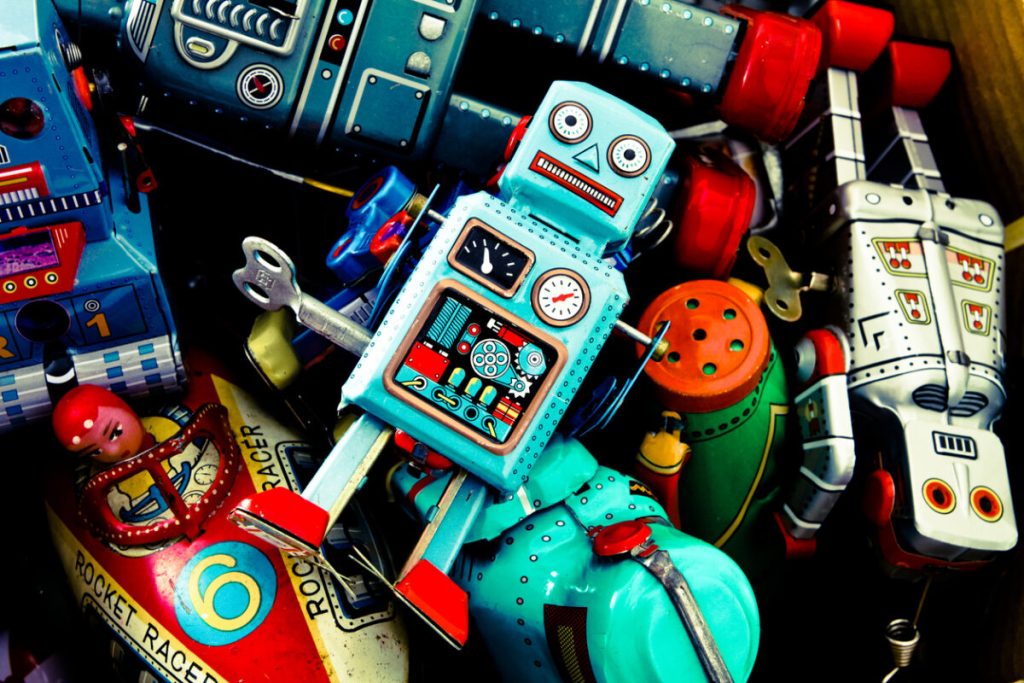
Look closely at the materials used. Plastic types, paint quality, and wear patterns can tell you if a toy is genuinely old or a newer reproduction. Have you ever seen a vintage tin toy that looked too shiny? That’s a red flag.
Tracking Market Trends
Prices for vintage toys can change quickly based on trends and collector demand. Follow auction results and marketplaces like eBay to see which toys are gaining interest. Notice how certain brands like Transformers or Barbie dolls spike during anniversaries or movie releases?
Keep a list of toys you want and watch how their values move over weeks or months. This helps you decide when to buy or sell. Are you ready to act when the market shifts in your favor?
Using Reference Books And Online Resources
Reliable reference books can give you detailed histories and price guides for vintage toys. Titles like “The Ultimate Guide to Vintage Toys” offer photos and descriptions that make identification easier. These books are a great investment for serious collectors.
Online forums and databases offer up-to-date discussions and user-shared tips. Websites like ToyCollector or dedicated Facebook groups connect you with experts who can answer tough questions. Have you joined any collector communities yet?
Where To Hunt For Vintage Toys
Hunting for vintage toys is an exciting adventure. It brings a sense of discovery and joy. The best places to find these treasures offer variety and surprise. Knowing where to search can save time and lead to better finds.
Flea Markets And Garage Sales
Flea markets and garage sales hold hidden gems. Sellers often bring unique and rare items. Prices here can be very affordable. Arriving early helps spot the best toys. Talking to sellers may reveal more about the toy’s history. Keep an eye out for classic brands and well-preserved pieces.
Online Auctions And Marketplaces
Online platforms host a wide range of vintage toys. Auctions create a chance to bid on rare finds. Marketplaces allow browsing from home. Reading seller reviews ensures trustworthiness. Use filters to narrow searches by year, brand, or condition. Check item photos carefully for details. Set a budget to avoid overspending.
Estate Sales And Antique Shops
Estate sales often include collections untouched for years. Antique shops specialize in quality vintage items. These places offer toys in good condition. Prices may be higher but reflect rarity and care. Visiting regularly helps catch new arrivals. Staff can provide valuable information about the toys’ origins and value.
Evaluating Toy Condition
Evaluating the condition of a vintage toy is essential for collectors. It affects the toy’s value and appeal. A careful check reveals its true worth and helps avoid costly mistakes. Focus on three key areas to assess the condition properly.
Checking For Damage And Wear
Look closely for cracks, chips, or missing parts. Faded paint, scratches, and rust reduce value. Test moving parts to see if they work smoothly. Small repairs can lower a toy’s appeal. Note any signs of dirt or stains. A clean toy is more attractive to buyers.
Understanding Toy Grades
Toys are often graded by condition. Common grades include Mint, Near Mint, Excellent, Good, and Fair. Mint means flawless, like new. Near Mint has very minor flaws. Excellent shows some wear but looks great. Good and Fair indicate more damage or missing parts. Knowing grades helps compare toys easily.
Importance Of Original Packaging
Original packaging adds strong value to vintage toys. Boxes protect toys and show they were cared for. Look for intact seals, bright colors, and clear text. Damaged or missing boxes lower the toy’s worth. Keep packaging in good shape to increase future value.
Negotiating And Buying Tips
Collecting vintage toys requires patience and research to find authentic pieces at fair prices. Always inspect items carefully and be ready to negotiate based on condition and rarity. Building good relationships with sellers can lead to better deals and valuable insights.
Collecting vintage toys is a journey filled with excitement and nostalgia. The thrill of finding a rare piece and adding it to your collection is unmatched. However, buying vintage toys often requires negotiation skills and a keen eye for authenticity. Knowing how to navigate the buying process is crucial to building a valuable collection.Bargaining Strategies
Effective bargaining can save you money and enhance your purchasing experience. Start by doing your homework; know the market value of the toy you’re interested in. Express genuine interest but avoid showing too much eagerness, which could weaken your bargaining position. When negotiating, begin with a lower offer, allowing room to meet in the middle. Use polite language and be prepared to walk away if the price is not right. Sometimes, patience is your best ally.Avoiding Common Scams
Scams in the vintage toy market can be disheartening. Always verify the seller’s credibility by checking reviews or asking for references. Look for signs of authenticity, such as original packaging or trademarks. Be wary of deals that seem too good to be true. If a seller is pressuring you for a quick purchase, it might be best to step back. Trust your instincts and don’t rush into a decision.Building Relationships With Sellers
Establishing rapport with sellers can lead to fruitful opportunities. Frequent the same vendors at toy fairs or online marketplaces, and engage in conversations about their collections. Show appreciation for their knowledge and passion. Building trust can lead to insider tips about upcoming sales or rare finds. Sellers are often more willing to offer discounts to buyers they know and trust. Consider these relationships as investments in your collecting journey. Remember, each purchase is a step towards curating a collection that tells a story. What story do you want your collection to tell?
Credit: www.ebay.ca
Preserving Your Collection
Preserving your vintage toy collection is just as important as finding rare pieces. It ensures that your toys stay in great shape and maintain their value over time. Taking care of these precious items requires the right approach to cleaning, storing, and displaying.
Proper Cleaning Methods
Cleaning vintage toys requires a gentle touch. Harsh chemicals can damage paint and delicate parts, so stick to mild soap and water for most items. Use a soft cloth or a small brush to remove dust and dirt carefully.
Plastic toys can handle a bit more moisture than paper or fabric components. For metal toys, dry them thoroughly to prevent rust. Have you noticed how a simple cleaning can bring back a toy’s original charm?
Storage Solutions
Think about where and how you store your toys to avoid damage. Avoid direct sunlight, which can fade colors and weaken materials. A cool, dry place with stable temperature is best for long-term storage.
Use acid-free boxes or plastic containers with dividers to keep toys separated and protected. Avoid stacking heavy items on top of fragile ones. What storage setup helps you find your favorite pieces easily?
Display Ideas
Displaying your collection allows you to enjoy it daily while keeping toys safe. Use glass cabinets with UV-protective panels to reduce dust and light exposure. Arrange toys by theme, size, or era to tell a story.
Consider adding small LED lights to highlight special items without causing heat damage. Rotating your display occasionally keeps your collection fresh and exciting. How do you balance showcasing your toys and keeping them preserved?
Documenting And Tracking
Documenting and tracking your vintage toy collection is essential for staying organized and understanding the value of your items over time. It helps you avoid duplicates, manage your budget, and make smarter buying decisions. Plus, having a clear record can be a lifesaver if you ever decide to sell or insure your collection.
Cataloging Your Toys
Start by creating a detailed list of every toy you own. Include the name, manufacturer, year of production, and condition. Adding photos can make your catalog more useful and enjoyable to browse.
You can use a simple spreadsheet or specialized apps made for collectors. I once found a rare toy by comparing my catalog against online databases, which saved me hours of searching. How detailed is your current catalog?
Maintaining Purchase Records
Keep track of where and when you bought each toy, along with the price. Receipts, invoices, or screenshots of online purchases all work well. This information helps you see your spending habits and can be useful for warranty or resale purposes.
Organize these records in a folder or digital file linked to your catalog. When I reviewed my purchase records, I realized I was overpaying for certain items and adjusted my budget accordingly. Are you tracking your costs effectively?
Tracking Market Value
Vintage toy values can change quickly based on trends and rarity. Regularly check auction sites, collector forums, and price guides to update your toy’s current worth. This keeps you informed and helps you decide the best time to buy or sell.
Set reminders to review market values every few months. By monitoring these shifts, you can spot investment opportunities or protect your collection’s value. Have you noticed any surprising changes in your toys’ market prices?

Credit: www.youtube.com
Connecting With Other Collectors
Connecting with other collectors brings richness to your vintage toy collection journey. Sharing experiences and knowledge with fellow enthusiasts can enhance your collecting skills. Engaging with a community can also lead to discovering rare finds and hidden gems.
Joining Online Forums
Online forums are great for meeting other collectors. These platforms offer a space to share tips and insights. You can ask questions or seek advice from experienced collectors. Participating in discussions can expand your knowledge. Many forums are free and easy to join.
Attending Toy Conventions
Toy conventions gather collectors and sellers in one place. These events are perfect for networking. You can see a variety of vintage toys on display. Meeting sellers face-to-face can lead to better deals. Conventions often host talks by toy experts. These talks can provide valuable insights.
Participating In Collector Clubs
Collector clubs offer a sense of community. Members often meet regularly to share updates. Clubs can organize events or swap meets. These gatherings help in expanding your collection. Joining a club can provide access to exclusive resources. Clubs often have newsletters with the latest toy news.
Frequently Asked Questions
What Are The Best Vintage Toys To Collect?
The best vintage toys to collect include action figures, tin toys, dolls, and board games. Focus on iconic brands like LEGO, Barbie, and Hot Wheels. Rarity and condition increase value. Research trends to find toys with high demand and nostalgic appeal for collectors.
How Do I Verify The Authenticity Of Vintage Toys?
Check for original packaging, manufacturer marks, and production dates. Research the toy’s history online or in collector guides. Consult experts or join collector forums for opinions. Authentic vintage toys often show wear consistent with age but no modern repairs or modifications.
Where Can I Find Rare Vintage Toys For Collection?
Look in estate sales, flea markets, and antique shops. Online platforms like eBay, Etsy, and specialized auction sites are great sources. Join collector groups on social media for leads. Attend toy conventions and swap meets to discover rare finds directly from sellers.
How Should I Store Vintage Toys To Maintain Value?
Store toys in a cool, dry place away from sunlight. Use acid-free packaging materials for protection. Keep toys in original boxes if possible. Avoid extreme temperatures and humidity, which can cause damage. Proper storage preserves condition and increases long-term value.
Conclusion
Collecting vintage toys brings joy and a sense of history. Start small and learn about each piece carefully. Check for condition and authenticity before buying. Join groups or forums to share tips and stories. Patience is key; treasures take time to find.
Enjoy the hunt and the memories each toy holds. Keep your collection safe and clean for years. This hobby connects past and present in a fun way. Happy collecting!