Are your plastic toys looking dull and covered with stubborn soap scum? It’s frustrating to see your child’s favorite playthings lose their shine and feel grimy.
But don’t worry—you can easily bring them back to life. You’ll discover simple and effective ways to get rid of soap scum on plastic toys. Keep reading, and you’ll soon have clean, sparkling toys that your kids will love to play with again.

Credit: www.amazon.com
Causes Of Soap Scum On Plastic Toys
Soap scum on plastic toys can be frustrating to deal with, especially when it appears despite regular cleaning. Understanding what causes this build-up helps you prevent it effectively. Let’s look at the main reasons soap scum forms on your child’s favorite playthings.
Soap Residue And Hard Water
Soap residue is a prime culprit behind soap scum. When soap mixes with minerals in hard water, it forms a stubborn, chalky layer that sticks to plastic surfaces.
If your water has high calcium or magnesium content, you’ll notice this residue more quickly. Have you ever seen white film on your toys after bath time? That’s the soap reacting with the water’s minerals.
Impact Of Frequent Bathing
Bathing toys frequently without thorough rinsing allows soap and minerals to accumulate over time. Each bath adds a thin layer of soap scum that builds up silently.
Imagine rinsing your toys quickly and skipping a deeper clean; the soap scum becomes harder to remove later. Are you spending more time scrubbing because of this hidden buildup?
Material Sensitivity
Plastic toys vary in how they react to soap and water. Some plastics are more porous or have textured surfaces, making them prone to trapping soap scum.
Toys made from softer plastics can absorb soap residue, while smoother surfaces might resist buildup better. Knowing your toy’s material helps you choose the best cleaning method and avoid persistent soap scum.

Credit: www.walmart.com
Safe Cleaning Materials
Choosing safe cleaning materials is crucial when dealing with soap scum on plastic toys. You want to clean effectively without damaging the plastic or leaving harmful residues. Using the right ingredients and tools ensures your toys stay safe for kids to handle right after cleaning.
Household Ingredients
Many common household items work wonders for removing soap scum gently. White vinegar is a natural acid that breaks down soap scum without harsh chemicals. Baking soda adds a mild abrasive quality to help scrub away buildup without scratching plastic surfaces.
Mix a solution of equal parts white vinegar and water for soaking toys, or sprinkle baking soda directly on stubborn spots before scrubbing. Lemon juice also offers a fresh scent and natural cleaning power, making it a great option for quick touch-ups.
Avoiding Harsh Chemicals
Strong cleaners like bleach or ammonia can damage plastic toys and leave behind toxic residues. Avoid anything with harsh solvents or abrasive powders that might scratch or weaken the plastic surface. These chemicals can cause discoloration or brittleness over time.
Instead, focus on gentle, non-toxic ingredients that are safe for children. You want to protect both the toy’s material and your child’s health. Have you ever noticed how some cleaners leave a weird smell that sticks around? That’s a sign to switch to something milder.
Tools For Gentle Scrubbing
Soft brushes and sponges make a big difference in cleaning soap scum without harming plastic. Use a toothbrush with soft bristles to reach small crevices and textured surfaces. Microfiber cloths are excellent for wiping away loosened soap scum and drying toys quickly.
Avoid using steel wool or rough scrub pads that can scratch or dull plastic finishes. Instead, choose tools designed for delicate cleaning tasks to keep toys looking new. What tools do you already have at home that could work better than harsh scrubbers?
Step-by-step Cleaning Process
Removing soap scum from plastic toys requires a careful and thorough cleaning process. This step-by-step guide breaks down the cleaning into simple parts. Follow these clear instructions to restore the toys’ shine and cleanliness quickly.
Pre-soak Preparation
Start by gathering a basin or sink and warm water. Add a few drops of mild dish soap to the water. Place the plastic toys in the solution and let them soak for 15 to 20 minutes. This loosens the soap scum and dirt. Avoid using hot water as it can damage the plastic. Prepare a soft cloth or sponge for scrubbing after soaking.
Scrubbing Techniques
Use a soft-bristle brush or sponge to scrub the toy gently. Focus on areas with visible soap scum buildup. Apply light pressure to avoid scratching the plastic surface. For crevices or small parts, use an old toothbrush for better reach. If stubborn spots remain, sprinkle a little baking soda on the sponge for mild abrasion. Rinse the sponge or brush often to remove loosened grime.
Rinsing And Drying
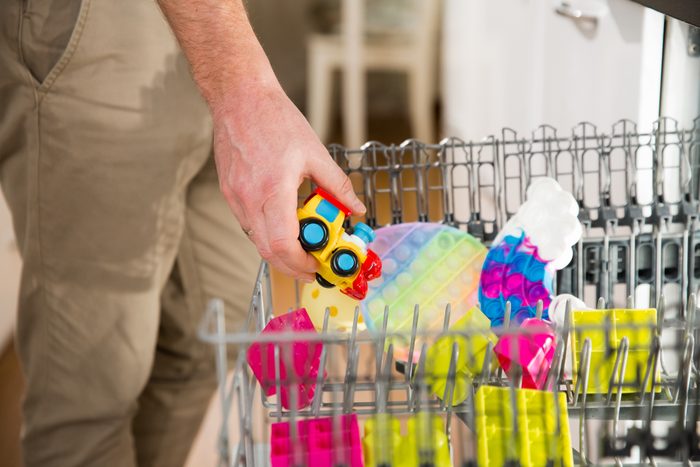
Rinse each toy thoroughly under running water to wash away soap and residue. Check for leftover soap scum and repeat scrubbing if needed. Shake off excess water and place the toys on a clean towel. Allow them to air dry completely before storing or playing. Drying prevents mold and keeps toys safe for children.
Credit: www.familyhandyman.com
Preventing Soap Scum Build-up
Regularly rinsing plastic toys after use helps stop soap scum from building up. Wiping toys dry and storing them in a dry place keeps them clean longer. Using mild soap and warm water makes cleaning easier and prevents residue.
Preventing soap scum build-up on plastic toys is a challenge many parents face. Those stubborn white residues can make even the most cherished toys look grimy and unappealing. But with a few simple strategies, you can keep your kids’ toys sparkling clean and ready for play.Regular Cleaning Schedule
Establishing a routine cleaning schedule is essential. Consider dedicating a specific day of the week to rinse and wipe down toys. This prevents soap scum from accumulating and makes cleaning less of a chore. Using a mild vinegar solution during this routine can help dissolve any existing residues. Remember, consistency is key! A simple wipe-down can save you hours of scrubbing later.Choosing The Right Soap
The type of soap you use plays a critical role in soap scum prevention. Opt for gentle, non-toxic soaps designed for children’s items. These are less likely to leave a residue. Check the labels when you shop, and avoid soaps with heavy fragrances or dyes. Sometimes, the simplest products make the biggest difference in keeping toys scum-free.Proper Toy Storage
How you store toys can also affect soap scum build-up. Ensure toys dry thoroughly before putting them away. Moist environments can exacerbate soap scum formation. Using a mesh bag or open storage container can promote airflow and prevent moisture retention. Have you considered where you store the toys? A well-ventilated area can make all the difference in keeping them fresh and clean. By incorporating these habits, you can maintain the pristine condition of your children’s toys. Why not start today and see the difference it makes?Dealing With Stubborn Stains
Stubborn soap scum stains on plastic toys can be tough to remove. They often build up in corners and crevices, making cleaning tricky. Using gentle but effective methods helps clear these marks without damaging the toys. Regular care keeps toys safe and looking fresh for playtime.
Using Vinegar Solutions
Vinegar is a natural cleaner that breaks down soap scum well. Mix equal parts of white vinegar and warm water in a bowl. Soak a cloth or sponge in the solution and rub the stained areas gently. For tough spots, let the vinegar sit on the toy for 10 minutes before scrubbing. Rinse the toy thoroughly with clean water to remove vinegar smell.
Baking Soda Paste Methods
Baking soda works as a mild abrasive and deodorizer. Make a thick paste by mixing baking soda with a small amount of water. Apply the paste directly onto the soap scum stains. Use a soft brush or cloth to scrub the paste into the toy’s surface. Leave the paste for 5 to 10 minutes before rinsing with warm water. This method helps lift stains without scratching plastic.
When To Replace Toys
Sometimes stains remain despite cleaning efforts. Toys with deep cracks or permanent discoloration may need replacing. Old toys can harbor bacteria even after washing. Check for wear and tear regularly. If toys no longer look clean or safe, it is best to get new ones. Fresh toys ensure a healthy and fun play environment.
Frequently Asked Questions
How Can I Remove Soap Scum From Plastic Toys?
Use a mixture of white vinegar and water to soak the toys. Scrub gently with a soft brush, then rinse thoroughly with clean water and dry completely to prevent residue buildup.
What Household Items Clean Soap Scum On Plastic Toys?
White vinegar, baking soda, and mild dish soap are effective household cleaners. These items safely break down soap scum without damaging plastic surfaces.
Is Vinegar Safe For Cleaning Plastic Toys?
Yes, vinegar is safe and natural. It dissolves soap scum effectively without harsh chemicals, making it ideal for cleaning plastic toys.
How Often Should I Clean Soap Scum From Plastic Toys?
Clean soap scum from plastic toys once every two weeks. Regular cleaning prevents buildup and keeps toys hygienic and safe for children.
Conclusion
Soap scum on plastic toys can be tough to remove. Use gentle cleaners and soft cloths to protect the toys. Regular cleaning stops buildup before it gets bad. Dry toys fully to keep them fresh and clean. Clean toys mean safer playtime for your children.
Keep these tips in mind for easy maintenance. Clean toys bring more fun and less worry. Simple steps make a big difference in toy care.