Have you ever wondered if puzzle toys can actually make your dog smarter? If you want your furry friend to stay sharp, happy, and mentally fit, this question matters.
Puzzle toys aren’t just fun distractions—they can challenge your dog’s brain in ways that boost problem-solving skills and focus. Keep reading to discover how these clever toys might transform your dog’s intelligence and why adding them to your pet’s routine could be one of the best decisions you make.
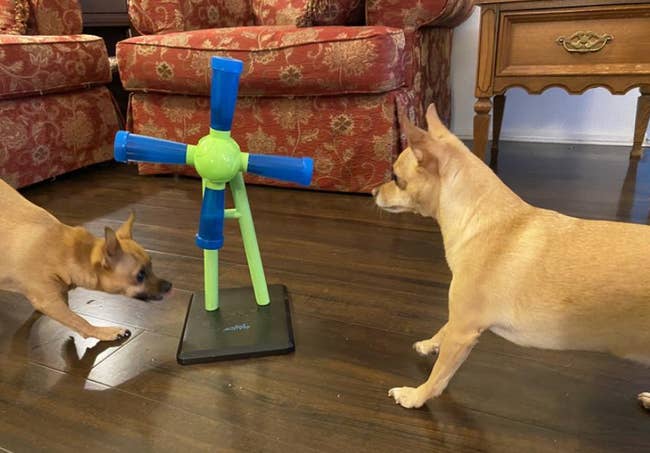
Credit: www.buzzfeed.com
How Puzzle Toys Work
Puzzle toys challenge dogs to think and solve problems. They engage a dog’s brain by requiring focus and patience. These toys encourage dogs to figure out how to reach a hidden treat or toy. The process keeps their mind active and sharp.
Each puzzle toy uses a different approach to test a dog’s intelligence. The puzzles vary from simple to complex tasks. Dogs learn by trial and error, improving their skills over time.
Types Of Puzzle Toys
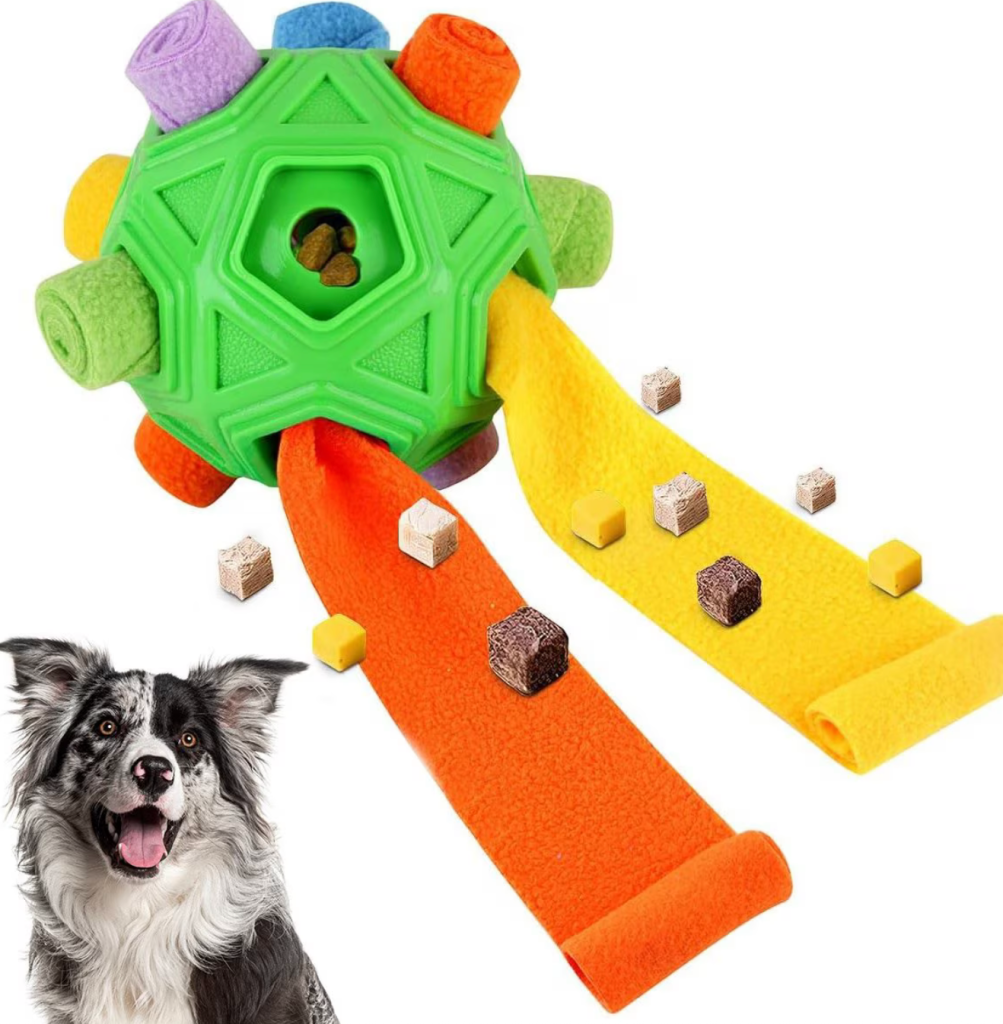
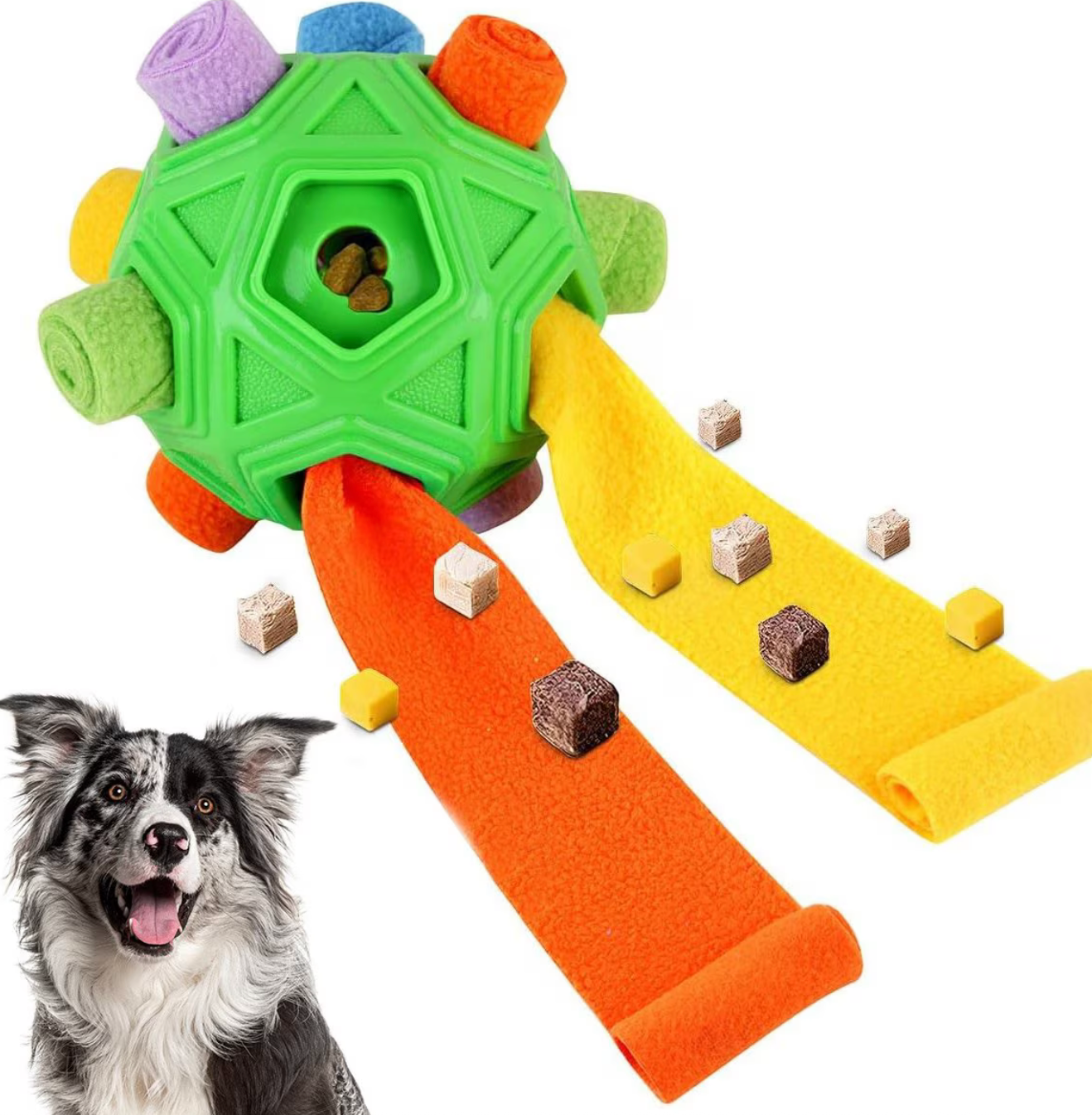
- Treat-dispensing balls that release food when rolled.
- Sliding puzzles where dogs move pieces to uncover treats.
- Interactive boards with compartments and levers to open.
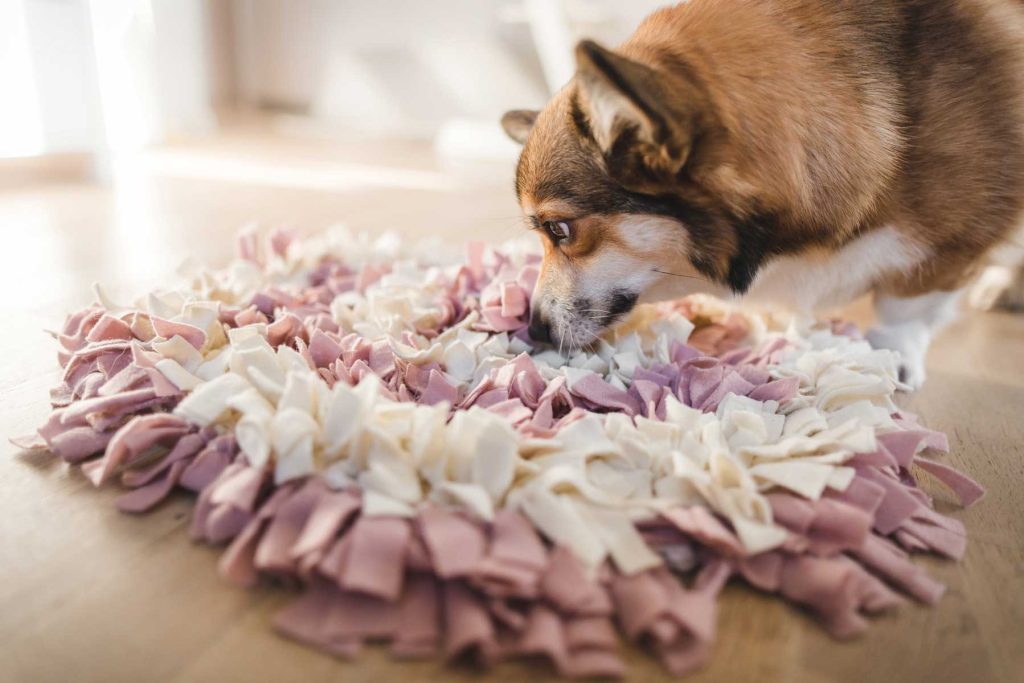
- Snuffle mats that hide treats in fabric folds.
Stimulating Dog’s Mind
Puzzle toys make dogs think and explore. They improve memory and problem-solving skills. Dogs use their noses, paws, and mouths to interact with puzzles. This multi-sensory play keeps them mentally fit. Regular use can reduce boredom and destructive behavior.
Reward-based Challenges
Puzzle toys work on a reward system. Dogs receive treats as positive feedback. This motivates them to keep trying and learning. The challenge increases as dogs get better. Rewards make the experience fun and satisfying. It strengthens the bond between dog and owner.
Benefits For Canine Intelligence
Puzzle toys offer more than just entertainment for your dog—they actively boost their intelligence in several meaningful ways. These toys challenge your dog’s brain, encouraging mental growth and sharper thinking. Let’s look at how these interactive tools benefit your canine’s intelligence.
Improved Problem-solving Skills
Puzzle toys force your dog to figure out how to get a treat or toy hidden inside. This requires trial and error, which sharpens their ability to solve problems. Over time, your dog learns to think critically and apply strategies rather than just acting on impulse.
Have you noticed your dog becoming more patient and thoughtful after playing with a puzzle? That’s a clear sign their problem-solving skills are improving.
Enhanced Memory And Focus
These toys demand your dog to remember where the treats are hidden and focus on the task at hand. The repeated practice strengthens their memory and concentration. Just like with humans, mental exercises help dogs retain information better.
Try varying the puzzles and watch how your dog’s attention span grows. You’ll see they stay engaged longer and recall solutions more quickly.
Reduced Boredom And Anxiety
When dogs are bored or anxious, they often act out or become restless. Puzzle toys provide a healthy outlet for their energy and curiosity. This mental stimulation reduces destructive behaviors and calms their mind.
Have you ever seen your dog happily occupied with a puzzle toy while you get things done? That peaceful moment shows how these toys ease anxiety and keep boredom at bay.
Choosing The Right Puzzle Toy
Choosing the right puzzle toy for your dog can make all the difference in boosting their intelligence and keeping them engaged. Not every puzzle toy suits every dog, so understanding your pet’s unique needs is key. Selecting the perfect challenge ensures your dog stays motivated without getting frustrated or bored.
Assessing Your Dog’s Skill Level
Start by observing how your dog interacts with new toys. Are they quick to solve simple puzzles, or do they need more time and encouragement? Knowing this helps you pick a toy that matches their current abilities.
If your dog is new to puzzle toys, choose ones with basic mechanisms like sliding compartments or easy openings. For dogs with more experience, toys requiring multiple steps or problem-solving actions can keep their minds sharp.
Ask yourself: Does your dog get bored quickly, or do they enjoy a challenge? This insight guides you in finding toys that hold their interest longer and promote learning.
Material And Safety Considerations
Safety comes first when selecting any dog toy. Look for puzzle toys made from durable, non-toxic materials that can withstand chewing and rough play. Avoid toys with small parts that could be swallowed or cause choking.
Keep your dog’s chewing strength in mind. A toy too fragile might break easily, leading to potential hazards. On the other hand, very hard toys might damage your dog’s teeth if they are aggressive chewers.
Check for easy-to-clean designs. Puzzle toys often get messy with treats and saliva, so materials that wipe clean or are dishwasher safe make maintenance simpler for you.
Adjusting Difficulty Over Time
Dogs learn quickly, so the puzzle toy’s challenge should evolve with their growing skills. Start with easier puzzles and gradually increase the complexity to keep your dog’s brain active.
Many puzzle toys offer adjustable difficulty levels—use this feature to keep your dog engaged without overwhelming them. Increasing difficulty too fast might discourage your dog, while too slow could lead to boredom.
Pay attention to your dog’s reactions. If they solve puzzles too easily, it’s time to raise the challenge. If they struggle, consider simplifying the task to maintain their confidence and interest.

Credit: www.amazon.com
Training Tips With Puzzle Toys
Puzzle toys challenge dogs to think and solve problems, boosting their mental skills. Regular use helps improve focus and memory, making dogs sharper and more alert. These toys also keep dogs busy, reducing boredom and encouraging learning.
Training your dog with puzzle toys can be a fun and rewarding experience. These toys offer mental stimulation and help improve your dog’s problem-solving skills. But how do you get the most out of them? Here are some training tips to guide you.Introducing New Challenges
Start with simple puzzles and gradually increase the difficulty. This keeps your dog engaged without overwhelming them. A friend of mine found that her dog, Max, quickly mastered basic puzzles. She then introduced more complex ones, which kept Max curious and eager to learn. Rotate the toys to maintain interest. If your dog sees the same puzzle every day, they might lose interest. Switch things up to keep the excitement alive.Positive Reinforcement Techniques
Reward your dog with treats or praise when they solve a puzzle. This reinforces the behavior you want to see. A simple “Good job!” or a tasty treat can go a long way in encouraging your dog. Be patient and gentle with corrections. If your dog struggles, guide them without frustration. This builds a trusting learning environment.Consistency And Patience
Consistency is key in any training. Set aside regular times for puzzle play to establish a routine. This helps your dog understand when it’s time to focus and learn. Be patient. Every dog learns at their own pace. Some might solve puzzles quickly, while others take a bit longer. Celebrate small victories and enjoy the bonding time with your furry friend. Have you ever wondered if your dog secretly enjoys the challenge as much as the treat? Puzzle toys might just be the answer to that!Signs Of Increased Intelligence
Dogs show clear signs of increased intelligence after using puzzle toys. These signs reveal how their brain works better and faster. Owners can notice changes during play and daily activities. Spotting these signs helps understand the benefits of puzzle toys for dogs.
Faster Problem Solving
Dogs begin to solve puzzles quicker than before. They remember steps and try new moves fast. This speed shows improved thinking skills and memory. Puzzle toys challenge their mind, making problem solving easier.
Better Focus During Play
Dogs pay more attention while playing with toys. They stay engaged longer and ignore distractions. This focus helps them learn how to solve puzzles. Improved concentration also helps in training and obedience.
Increased Curiosity
Dogs explore new toys and objects more often. They sniff, paw, and investigate with interest. Curiosity drives them to learn and discover new things. Puzzle toys encourage this behavior by offering rewards and surprises.
Common Mistakes To Avoid
Puzzle toys can boost a dog’s intelligence. They challenge the mind and offer fun rewards. But some mistakes can reduce their benefits. Avoid these common errors for the best results.
Overloading Complexity
Too hard puzzles can frustrate dogs. They may lose interest or feel stressed. Start with simple toys. Gradually increase difficulty as your dog learns. This keeps the challenge fun and fair.
Ignoring Dog’s Preferences
Not all dogs like the same puzzles. Some prefer treats, others like moving parts. Observe what your dog enjoys most. Choose toys that match their interests. This keeps them engaged and happy.
Neglecting Regular Playtime
Puzzle toys need regular use to work well. Playing once in a while won’t help much. Set a daily routine for puzzle time. Consistency builds skills and keeps your dog sharp.

Credit: smart.dhgate.com
Frequently Asked Questions
Do Puzzle Toys Improve Dog Intelligence?
Yes, puzzle toys stimulate dogs’ problem-solving skills. They encourage mental engagement and help enhance cognitive functions, making dogs smarter over time.
How Often Should Dogs Use Puzzle Toys?
Dogs should use puzzle toys daily or several times a week. Regular use keeps their minds sharp and prevents boredom effectively.
Can Puzzle Toys Reduce Dog Anxiety?
Puzzle toys can reduce anxiety by distracting dogs and providing mental stimulation. This helps lower stress and promotes calm behavior.
Are Puzzle Toys Suitable For All Dog Breeds?
Yes, puzzle toys are suitable for all breeds. However, choose toys based on your dog’s size, age, and skill level for best results.
Conclusion
Puzzle toys challenge dogs and keep their minds active. Regular play helps improve problem-solving skills. Dogs enjoy the fun and mental exercise. Smarter dogs often show better focus and behavior. Puzzle toys also reduce boredom and anxiety. They create a positive way to learn and grow.
Try different puzzles to find what your dog likes best. Mental workouts are as important as physical ones. Watch your dog become more curious and confident. Puzzle toys support a happy and healthy dog life.