Have you ever wondered if your cat truly enjoys puzzle toys and games? If you’re looking to keep your furry friend entertained and mentally sharp, understanding their love for these challenges is key.
Puzzle toys can do more than just pass time—they can boost your cat’s mood, reduce boredom, and even improve their problem-solving skills. But how do you know if your cat will actually like them? Keep reading to discover what makes puzzle toys exciting for your cat and how to choose the best ones to keep them happy and engaged.

Credit: www.amazon.com
Cats And Puzzle Toys
Cats enjoy activities that challenge their minds and bodies. Puzzle toys offer a fun way to keep cats busy and sharp. These toys engage their natural hunting skills and curiosity. Puzzle toys help reduce boredom and destructive behavior. They also provide mental stimulation and physical exercise.
What Are Puzzle Toys
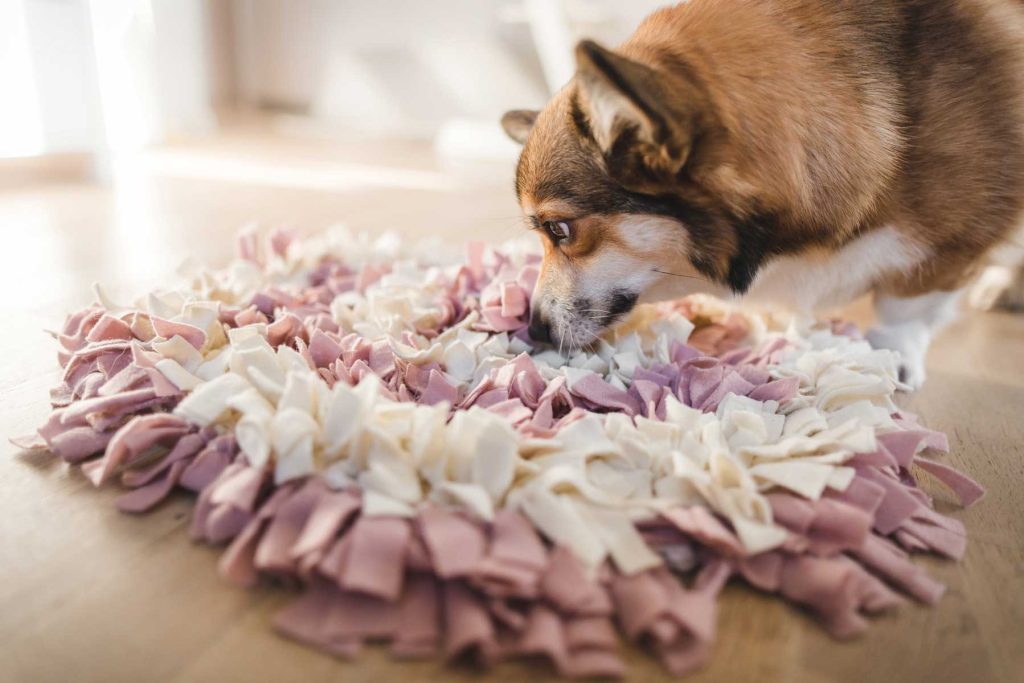
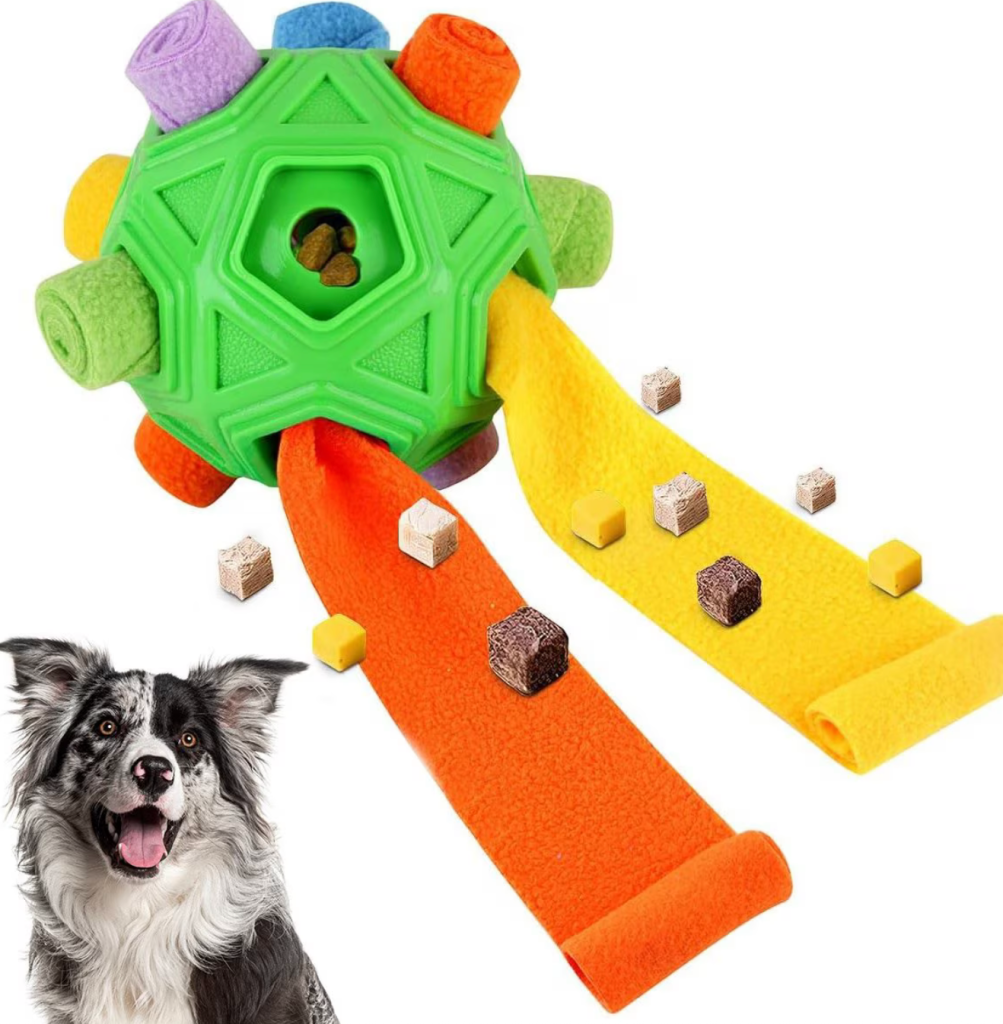
Puzzle toys are interactive objects designed to make cats think. These toys often hide treats or toys inside compartments. Cats solve puzzles to get the reward. This process mimics hunting and problem-solving in the wild. Puzzle toys vary in difficulty from simple to complex. They help cats stay alert and entertained.
Types Of Puzzle Toys For Cats
- Treat Dispensers:Release treats when cats move or push parts.
- Interactive Feeders:Slow down eating and stimulate the brain.
- Sliding Puzzles:Cats slide pieces to reveal hidden prizes.
- Hide-and-Seek Toys:Hide small toys or balls inside compartments.
- Electronic Puzzle Toys:Use movement or sound to engage cats.
Cats’ Reaction To Puzzle Toys
Cats’ reactions to puzzle toys can reveal a lot about their personality and intelligence. Some cats dive right in, while others take their time figuring out how to interact with these new challenges. Watching your cat respond to a puzzle toy can be both entertaining and insightful.
Initial Curiosity
Most cats show immediate interest when introduced to a puzzle toy. Their natural hunting instincts kick in as they sniff, paw, and nudge the toy. You might notice your cat circling the toy, tapping it lightly, or even batting at it with a paw to explore its purpose.
Sometimes, your cat might sit back and observe the toy before engaging. This cautious behavior is normal and suggests they’re assessing how to approach the challenge.
Signs Of Engagement
Active engagement with a puzzle toy usually involves persistent pawing and focused attention. You may see your cat trying different tactics, like turning pieces or reaching into compartments to retrieve treats.
Look for signs like:
- Concentrated staring at the toy
- Repeated attempts to open or manipulate parts
- Excited vocalizations or tail twitching
These behaviors show your cat is mentally stimulated and motivated, which is a great sign that the toy is working well for them.
Common Challenges Cats Face
Not every puzzle toy is immediately easy for your cat. Some puzzles require fine motor skills or patience that your cat might not have developed yet. For example, a complicated lid or a small opening can frustrate cats who prefer quick rewards.
If your cat seems disinterested or gives up quickly, try simplifying the puzzle or adding more enticing treats inside. Have you noticed your cat losing interest after a few tries? That could mean the puzzle is too hard or not rewarding enough.
Adjust the difficulty level gradually and watch how your cat adapts. This trial-and-error process helps your cat build confidence and keeps playtime enjoyable.
Benefits Of Puzzle Toys
Puzzle toys offer many benefits for cats. They challenge your pet’s mind and body. These toys keep cats busy and happy. Cats that use puzzle toys often show better behavior. Puzzle toys make playtime more rewarding. This section explains why puzzle toys are good for cats.
Mental Stimulation
Puzzle toys keep cats thinking. They must solve problems to get treats or toys. This mental workout helps prevent boredom. Bored cats can become anxious or destructive. Puzzle toys help sharpen your cat’s focus and memory. They also reduce stress by giving cats a task to do.
Physical Exercise
Puzzle toys encourage movement and activity. Cats must paw, swipe, or chase parts of the toy. This physical play helps keep cats fit and healthy. Active cats have better muscle tone and weight control. Exercise from puzzle toys supports joint health and flexibility. It also helps cats release energy in a positive way.
Behavioral Improvements
Puzzle toys reduce bad behaviors like scratching furniture or excessive meowing. They keep cats engaged and less bored. Engaged cats are calmer and more content. Puzzle toys can help reduce anxiety and stress. They provide a healthy outlet for natural hunting instincts. Cats learn patience and problem-solving skills through play.
Choosing The Right Puzzle Toy
Cats enjoy toys that challenge their minds and offer rewards. Puzzle toys keep them active and curious, providing fun and mental exercise. Choosing the right puzzle toy depends on your cat’s interest and skill level.
Choosing the right puzzle toy for your cat can feel like solving a puzzle itself. With so many options available, it’s easy to feel overwhelmed. But when you focus on a few key factors, the decision becomes much simpler and enjoyable.Age And Activity Level
Cats, like humans, have different needs at different stages of life. A kitten bursting with energy might enjoy a fast-paced game that keeps them on their toes. On the other hand, an older cat might prefer a more relaxed puzzle that requires gentle pawing. Consider your cat’s current activity level and age to select a toy that matches their energy.Material And Safety
Safety should be your top priority when choosing a puzzle toy. Ensure that the materials are non-toxic and durable enough to withstand your cat’s playful antics. Soft plastics or rubber are generally safe choices. Avoid toys with small parts that could be swallowed, posing a choking hazard.Difficulty Levels
Puzzle toys come in various difficulty levels, from simple to complex. Start with an easier puzzle if your cat is new to these types of toys. As they master each level, gradually introduce more challenging puzzles to keep them engaged. This way, your cat won’t get frustrated and will continue to enjoy their playtime. Choosing the right puzzle toy involves considering your cat’s unique characteristics and preferences. Have you ever noticed how your cat reacts to different toys? Observing their play habits can offer valuable insights into selecting a puzzle that they’ll love.Tips For Introducing Puzzle Toys
Introducing puzzle toys to your cat can be an exciting way to boost their mental sharpness and keep them entertained. However, not all cats jump right into these games. Your approach can make a big difference in how your feline friend reacts. Here are some tips to help you bring puzzle toys into your cat’s world smoothly and successfully.
Start Simple
Choose puzzle toys that are easy to understand and don’t overwhelm your cat. Toys with just a few compartments or simple sliding pieces work best at first. This way, your cat can quickly figure out the goal without getting frustrated.
If your cat struggles with a complex toy, try breaking it down into smaller challenges. You might even remove some parts temporarily to help them get the hang of it. Have you noticed how your cat reacts to new toys? Starting simple lets you learn what excites or confuses them.
Use Treats And Rewards
Treats are your best friend when introducing puzzle toys. Place your cat’s favorite snacks inside the toy to spark curiosity and motivation. The excitement of a tasty reward encourages them to keep trying.
Make sure the treats are small and healthy to avoid overfeeding. You can also praise your cat with gentle petting or soothing words when they succeed. This positive feedback builds a fun connection between the toy and a happy experience.
Be Patient And Observant
Every cat learns at their own pace, so patience is key. Watch how your cat interacts with the puzzle toy—do they swipe at it, lose interest, or get visibly confused? These clues tell you whether to adjust the difficulty or try a different type of toy.
Sometimes, cats need several short play sessions to get comfortable. Don’t rush or force them; instead, offer the toy regularly and let curiosity grow naturally. Have you tried changing the toy’s position or the time of day to catch your cat’s attention?

Credit: www.amazon.ca
Common Mistakes To Avoid
Introducing puzzle toys to your cat can be a great way to keep them engaged and mentally stimulated. However, there are some common mistakes that can reduce the effectiveness and enjoyment of these toys. Avoiding these pitfalls will help you create a more rewarding experience for your furry friend.
Overcomplicating Toys
Many pet owners think that the more complex a toy is, the better it will challenge their cat. In reality, overly complicated toys can frustrate your cat and discourage play. Start with simple designs that your cat can figure out quickly, then gradually increase difficulty as they become more confident.
Have you noticed your cat losing interest quickly? This might be a sign the toy is too hard. Keep it fun and manageable.
Ignoring Cat’s Preferences
Not all cats enjoy the same type of puzzle toys. Some prefer hunting-style games, while others like food-dispensing puzzles. Pay attention to what your cat naturally enjoys and choose toys that match their personality.
Observe your cat’s reactions closely. If they avoid a certain toy, don’t force it. Instead, experiment with different styles until you find what excites them.
Neglecting Regular Playtime
Puzzle toys work best when combined with regular interactive play. Simply leaving a toy out without engaging your cat can make it boring over time. Set aside time each day to play together, encouraging your cat to explore and solve the puzzles.
Think about your own habits—would you stay interested in a game if you were left alone all the time? Your cat feels the same way.
Success Stories And Research
Understanding whether cats enjoy puzzle toys and games is more than just curiosity—it’s about improving their well-being. Success stories and scientific research offer valuable insights into how these activities affect feline behavior and mental health. Let’s look at real-life examples and research findings that show the impact of enrichment through puzzles.
Real-life Examples
Many cat owners have noticed a positive change after introducing puzzle toys. One owner shared how their usually lazy cat became more active and alert, eagerly solving treat puzzles every day.
Another cat, prone to boredom and scratching furniture, showed less destructive behavior once given interactive toys that challenge its mind. These stories suggest that puzzle toys can reduce stress and keep your cat entertained.
Have you observed your cat’s reaction to toys that require problem-solving? Their engagement might surprise you and even strengthen your bond.
Scientific Findings On Cat Enrichment
Research confirms that puzzle toys provide mental stimulation crucial for indoor cats. A study published in the Journal of Feline Medicine found that cats with access to interactive puzzles displayed fewer signs of anxiety and aggression.
Scientists explain that these toys mimic natural hunting behaviors, helping cats exercise their brains and bodies. This not only improves mood but may also prevent obesity by encouraging movement.
Studies also highlight that regular puzzle play can slow cognitive decline in older cats. Could offering your cat a puzzle toy be the key to a longer, happier life?
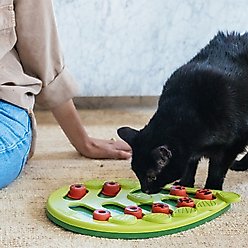
Credit: www.chewy.com
Frequently Asked Questions
Do Cats Enjoy Playing With Puzzle Toys?
Yes, many cats enjoy puzzle toys as they stimulate their minds and provide fun challenges. Puzzle toys can reduce boredom and encourage natural hunting instincts, making playtime more engaging and rewarding for cats.
How Do Puzzle Toys Benefit Cats Mentally?
Puzzle toys improve cats’ problem-solving skills and mental sharpness. They also reduce stress and prevent destructive behavior by keeping cats mentally active and entertained throughout the day.
What Types Of Puzzle Toys Do Cats Prefer?
Cats often prefer puzzle toys that involve hiding treats or interactive elements. Toys with moving parts or hidden compartments keep cats curious and motivated to solve the challenge.
Can Puzzle Toys Help With Cat Obesity?
Yes, puzzle toys encourage physical activity and slow down eating habits. This helps cats burn calories and maintain a healthy weight while having fun.
Conclusion
Cats often enjoy puzzle toys and games. These toys keep their minds active and sharp. Playing helps reduce boredom and stress in cats. Puzzle toys also encourage natural hunting behaviors. Not all cats like puzzles, but many do. Try different toys to see what your cat prefers.
Engaging your cat with puzzles can improve their mood. Simple games make playtime fun and rewarding. Puzzle toys offer a healthy way to entertain cats daily. Keep your cat curious and happy with these games.