Have you ever wondered if jigsaw puzzles can do more than just pass the time? What if these simple pieces could actually help your brain and senses work better?
You might be surprised to learn that jigsaw puzzles can act as powerful sensory toys. They don’t just challenge your mind—they engage your touch, sight, and even your focus in ways that boost your overall well-being. Keep reading, because understanding this could change the way you think about puzzles—and how you use them for fun and growth.

Credit: www.amazon.com
Jigsaw Puzzles As Sensory Tools
Jigsaw puzzles serve as more than just a pastime—they engage multiple senses that can enhance your overall sensory experience. Using them as sensory tools lets you interact with shapes, colors, and textures in a hands-on way. This interaction can improve focus, coordination, and even emotional well-being.
Tactile Engagement
Handling puzzle pieces activates your sense of touch. Feeling the smooth or sometimes textured edges of each piece helps improve fine motor skills. You become more aware of pressure, shape, and fit, which sharpens your hand-eye coordination.
Think about the last time you picked up a puzzle piece. Did you notice how your fingers adjusted to grasp and place it? This small tactile experience can calm nerves and keep your mind grounded.
Visual Stimulation
Jigsaw puzzles challenge your eyes to detect subtle color differences and shapes. This visual discrimination trains your brain to focus on details you might normally overlook. It’s a great way to boost observation skills and patience.
Have you ever noticed how your eyes scan a puzzle image, searching for the next piece? This active visual engagement encourages problem-solving and spatial awareness.
Cognitive Interaction
Solving puzzles involves more than just fitting pieces together—it requires planning, memory, and critical thinking. Your brain processes patterns and remembers piece locations, which strengthens neural connections. This mental workout can keep your mind sharp and alert.
Next time you work on a puzzle, pay attention to how you strategize your moves. This cognitive interaction offers a satisfying sense of accomplishment and mental clarity.
Benefits For Children
Jigsaw puzzles offer more than just a fun pastime for children. They serve as powerful sensory toys that help develop essential skills. Watching your child connect pieces encourages growth in several key areas.
Fine Motor Skill Development
Handling puzzle pieces improves hand-eye coordination. Your child learns to grasp, twist, and fit pieces with precision. These small movements build the fine motor skills needed for writing and other daily tasks.
Notice how your child’s fingers become more agile as they work on puzzles. This practice strengthens muscles and enhances control, making everyday activities easier.
Focus And Concentration
Puzzles demand sustained attention. When your child concentrates on finding the right piece, they practice staying focused for longer periods. This skill transfers to schoolwork and other learning activities.
Have you seen how absorbed kids become while puzzling? This deep focus boosts their ability to block out distractions and finish tasks more efficiently.
Problem-solving Abilities
Every puzzle piece presents a challenge to solve. Your child must analyze shapes, colors, and patterns to find where each piece fits. This process enhances critical thinking and reasoning.
Encourage your child to try different approaches when stuck. This teaches persistence and creativity—valuable problem-solving skills for life beyond puzzles.
Advantages For Adults
Jigsaw puzzles offer more than just a fun pastime for adults. They engage your mind and body in ways that bring multiple benefits. Whether you are winding down after a busy day or looking to sharpen your mental skills, puzzles can be a powerful tool.
Stress Relief And Relaxation
Working on a jigsaw puzzle can help you focus your attention on a single task. This distraction from daily worries often leads to a calmer state of mind.
Many people find the repetitive action of fitting pieces together soothing. It’s a simple way to relax without screens or noise.
Have you noticed how completing a puzzle piece by piece can melt away tension? It’s like giving your brain a mini vacation.
Memory Enhancement
Puzzles challenge your brain to recognize shapes, colors, and patterns. This exercise strengthens your visual and spatial memory.
Regularly puzzling can help you retain your cognitive sharpness. You train your mind to remember details and problem-solve efficiently.
Could spending 30 minutes a day on puzzles improve your recall abilities? Many adults report better concentration and mental agility after consistent practice.
Social Connection
Jigsaw puzzles create opportunities for you to connect with others. Working on a puzzle together promotes teamwork and communication.
Sharing progress and celebrating small wins can deepen relationships. It’s a fun, low-pressure way to spend quality time.
Have you tried inviting friends or family to puzzle with you? You might find it easier to bond over a shared challenge than traditional conversation.

Credit: toyscentral.ca
Comparing Jigsaw Puzzles To Traditional Sensory Toys
Jigsaw puzzles often sit outside the typical category of sensory toys. Yet, their potential is vast. They offer unique sensory experiences akin to traditional sensory toys. Let’s delve into the differences and similarities.
Multi-sensory Experience
Jigsaw puzzles engage various senses simultaneously. The tactile feeling of puzzle pieces enhances fine motor skills. Visual perception improves as players identify colors and shapes. Each piece prompts cognitive engagement. This multi-sensory input can be calming and stimulating. Unlike many sensory toys, puzzles involve problem-solving. This adds an intellectual layer to the sensory experience.
Longevity And Reusability
Traditional sensory toys may wear out quickly with use. Jigsaw puzzles, however, offer long-lasting engagement. They can be assembled and disassembled multiple times. Each completion can feel like a new experience. The durability of puzzles ensures they remain a valuable resource over time. This makes them an economical choice for sensory play.
Adaptability To Different Needs
Jigsaw puzzles come in various complexities. This adaptability makes them suitable for different age groups. Children can start with simple puzzles. Adults can enjoy more challenging ones. The adaptability extends to specific needs. Puzzles can be tailored for educational purposes. They can also be used to enhance focus and concentration. This flexibility is a significant advantage over many traditional sensory toys.
Choosing The Right Puzzle
Choosing the right jigsaw puzzle is key to enjoying its sensory benefits. It helps build focus, coordination, and calmness. Selecting a puzzle that suits the user’s needs boosts learning and keeps frustration low. Consider factors like age, piece size, and theme carefully. This ensures the puzzle is both fun and helpful.
Age Appropriateness
Match the puzzle to the user’s age for best results. Younger children need puzzles with fewer, larger pieces. Older kids and adults can handle puzzles with many small pieces. Age-appropriate puzzles support skill growth and prevent frustration. Check the recommended age on the puzzle box before buying.
Piece Size And Texture
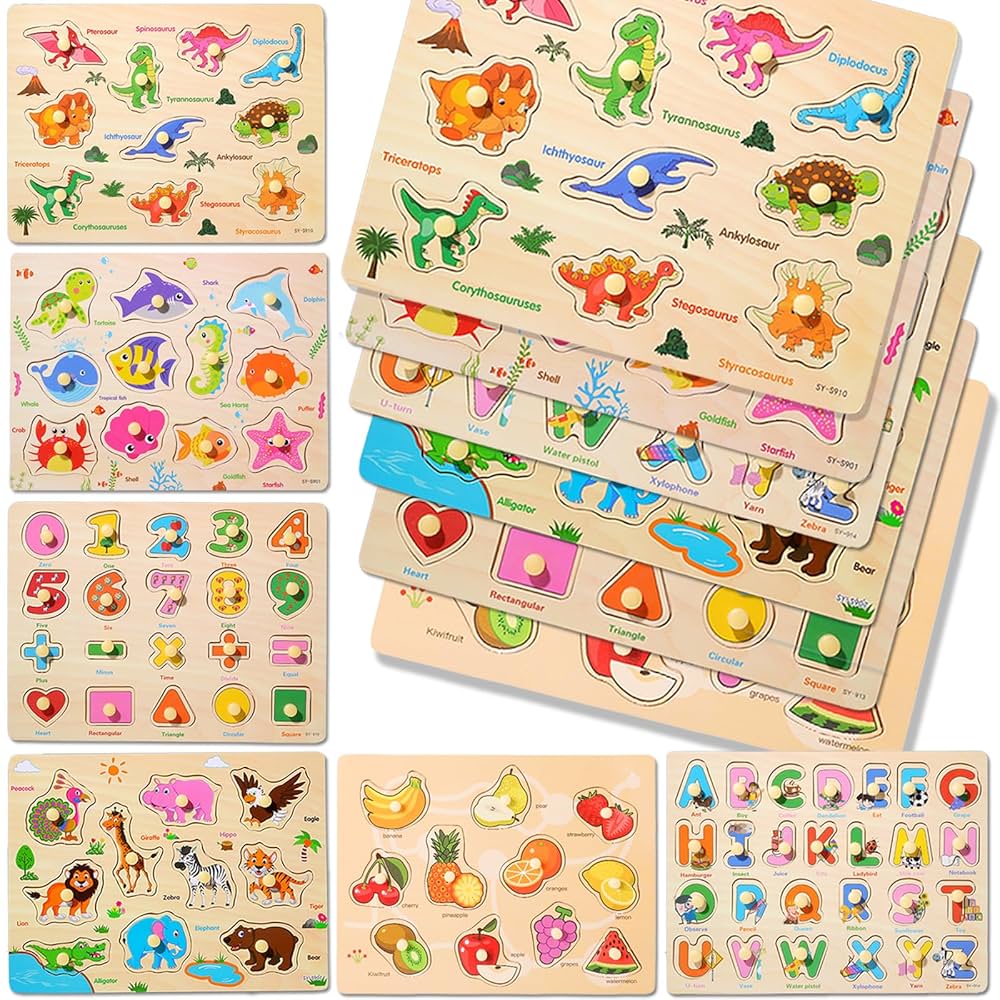
Large pieces are easier to handle and feel better for little hands. Textured pieces add a tactile element that improves sensory experience. Smooth pieces work well for older users who focus on visual cues. Choose puzzles with different textures to enhance touch and grip.
Theme And Complexity
Select themes that interest the user to keep them engaged. Animals, nature, and cartoons work well for children. Scenic or abstract images challenge older users. Complexity depends on piece number and image difficulty. Start simple and increase difficulty as skills improve.

Credit: relish-life.com
Frequently Asked Questions
Are Jigsaw Puzzles Considered Sensory Toys?
Jigsaw puzzles engage multiple senses, including touch and sight. They improve fine motor skills and cognitive function. Thus, they are often classified as sensory toys. They stimulate hand-eye coordination and spatial awareness, making them beneficial for sensory development.
How Do Jigsaw Puzzles Benefit Sensory Development?
Jigsaw puzzles enhance tactile and visual processing skills. Handling pieces helps improve fine motor control. Visual matching boosts cognitive skills and attention to detail. These activities support sensory integration and brain development in children and adults.
Can Jigsaw Puzzles Help With Sensory Processing Issues?
Yes, jigsaw puzzles provide structured sensory input. They promote focus and calmness for individuals with sensory processing challenges. The repetitive action supports sensory regulation and improves concentration. Puzzles can be a therapeutic tool in sensory therapy.
What Age Group Benefits Most From Jigsaw Sensory Toys?
Children aged 3 and up benefit greatly from jigsaw puzzles. They help develop fine motor and problem-solving skills. Older kids and adults also gain cognitive and sensory benefits. Puzzles are versatile sensory toys for all ages.
Conclusion
Jigsaw puzzles offer more than just fun. They help develop focus and hand-eye coordination. These puzzles engage multiple senses through touch and sight. They encourage problem-solving and patience in players. Sensory play supports brain growth and learning in children. Puzzles can calm the mind and reduce stress.
They serve as simple, effective sensory tools for many. Trying puzzles might be a good way to support sensory skills. They fit well in learning and play routines. Jigsaw puzzles truly blend play with sensory development.